Adelie penguin
Discover Adélie penguins: key facts, fun behaviour, conservation, and the best places to see them on Antarctica cruises. A complete wildlife guide.
Adélie Penguins — Antarctica’s Tuxedo-Clad Sea Travellers
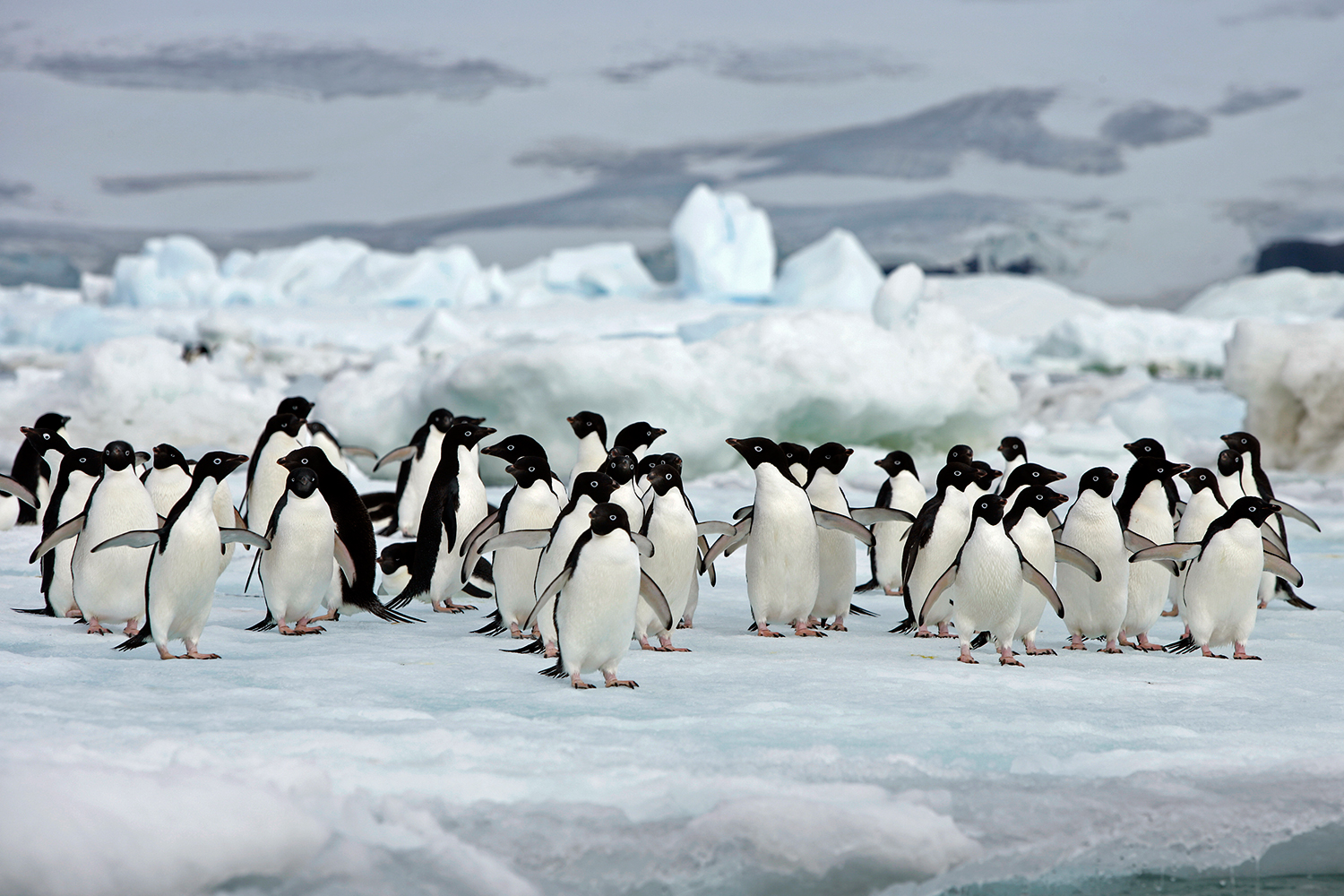
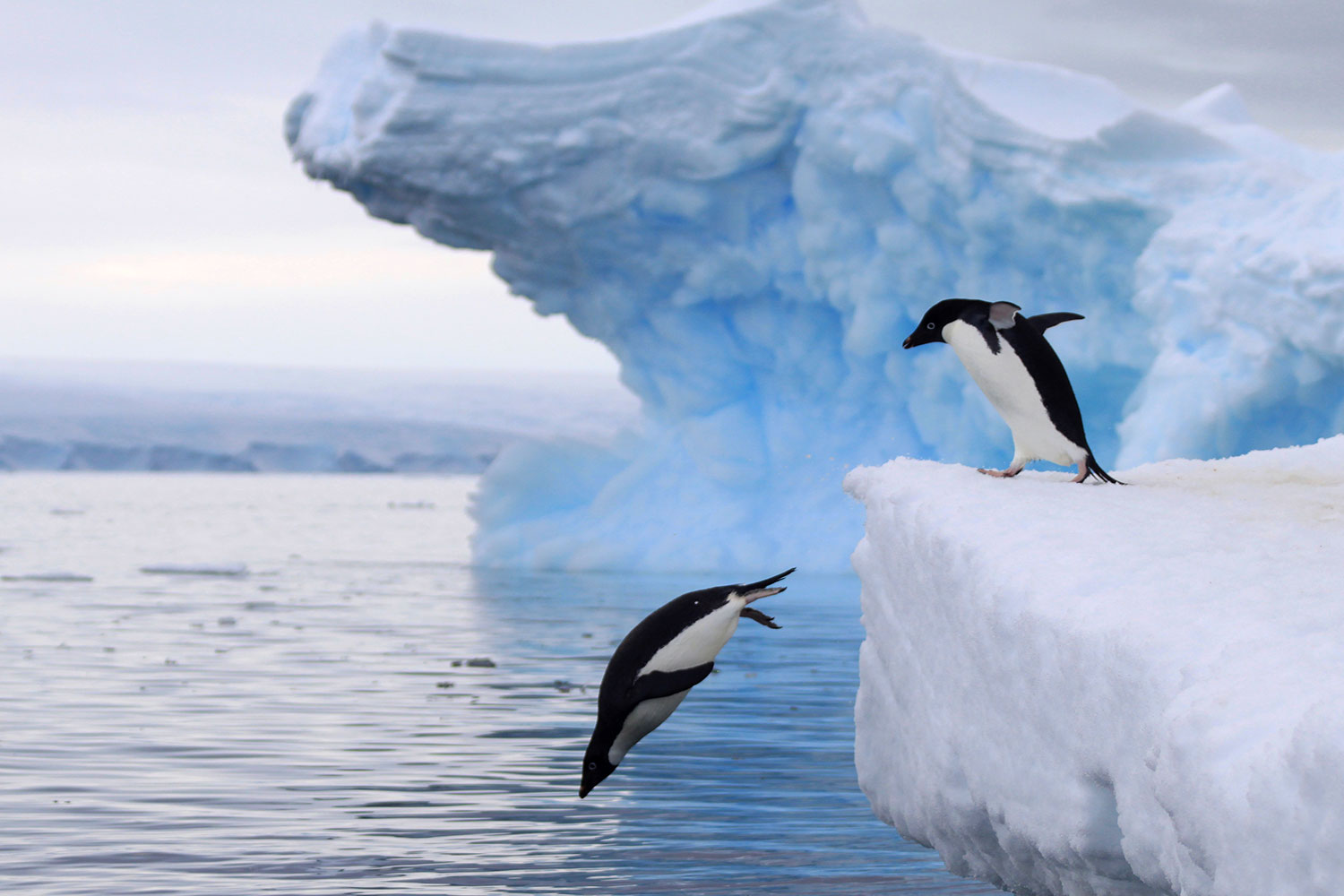
If you imagine the quintessential penguin — black back, white belly, waddling confidently across an icy stage — you’re probably thinking of the Adélie penguin. Charming, feisty, and surprisingly athletic, these birds are one of Antarctica’s most iconic residents. And with the right expedition cruise, you can meet them by the thousands.
⭐ What Is an Adélie Penguin?
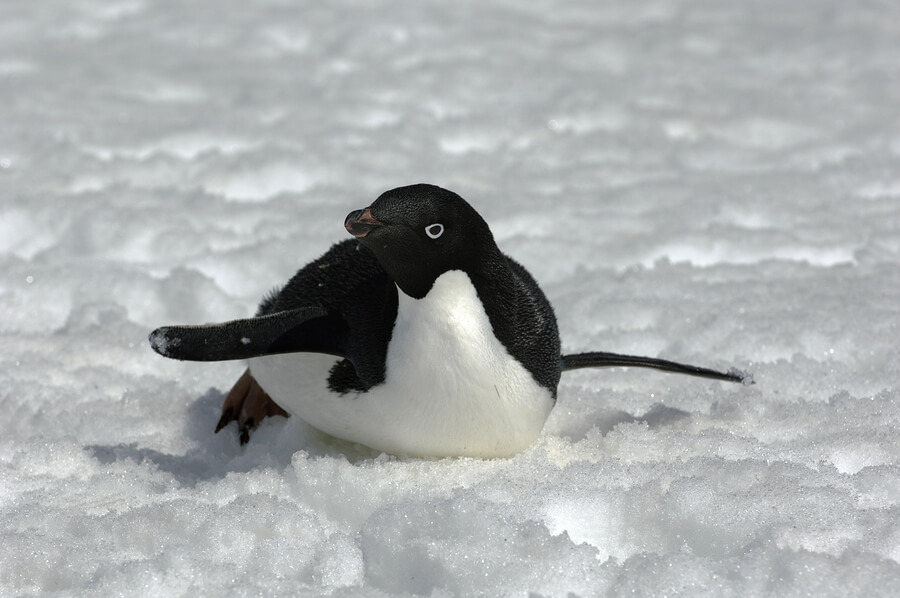
The Adélie penguin (Pygoscelis adeliae) is a medium-sized Antarctic penguin, standing around 70–73 cm tall and weighing 3–6 kg. Their classic black-and-white “tuxedo” plumage and distinctive white eye-ring make them one of the easiest penguins to recognise.
Juveniles look a little scruffier — and lack that full white eye-ring — giving them a permanent “just woke up” expression.
❄️ Where They Live & When to See Them
Adélies live almost exclusively around the coast of Antarctica, making them one of the few penguin species truly tied to the contin
???? Life Cycle & Behaviour
The Adélie breeding season begins in October, when males arrive first to claim nesting spots and gather pebbles — which become tiny, slightly chaotic stone nests.
Females arrive shortly after, and a combination of flipper-waving and enthusiastic calling signals the start of courtship.
-
Two eggs are typically laid in mid-November.
-
Parents take turns incubating and later feeding.
-
Chicks hatch in late December and join communal “crèches” around three weeks of age — essentially penguin daycare.
-
By 7–9 weeks, young Adélies shed their down, develop waterproof feathers, and head to sea to start their independent lives.
Adélies are energetic, noisy, and occasionally a little mischievous — especially when defending their nests or stealing pebbles from neighbours.
???? Diet & Predators
Adélies feed primarily on:
-
Krill
-
Small fish
-
Squid and other small cephalopods
Their biggest threats are:
-
Leopard seals
-
Orca (killer whales)
-
Skuas and giant petrels — which target unattended eggs or chicks
Despite this, their populations remain robust… though environmental changes pose increasing challenges.
???? Conservation & Climate Challenges
Adélie penguins are currently listed as Least Concern, but their well-being varies by region. As sea ice patterns shift and krill availability changes, some colonies are thriving while others decline.
These penguins depend heavily on:
-
Stable sea ice
-
Consistent krill populations
-
Ice-free breeding grounds
This makes them excellent indicators of ecosystem health — and a reminder of how closely Antarctic wildlife is tied to environmental change.
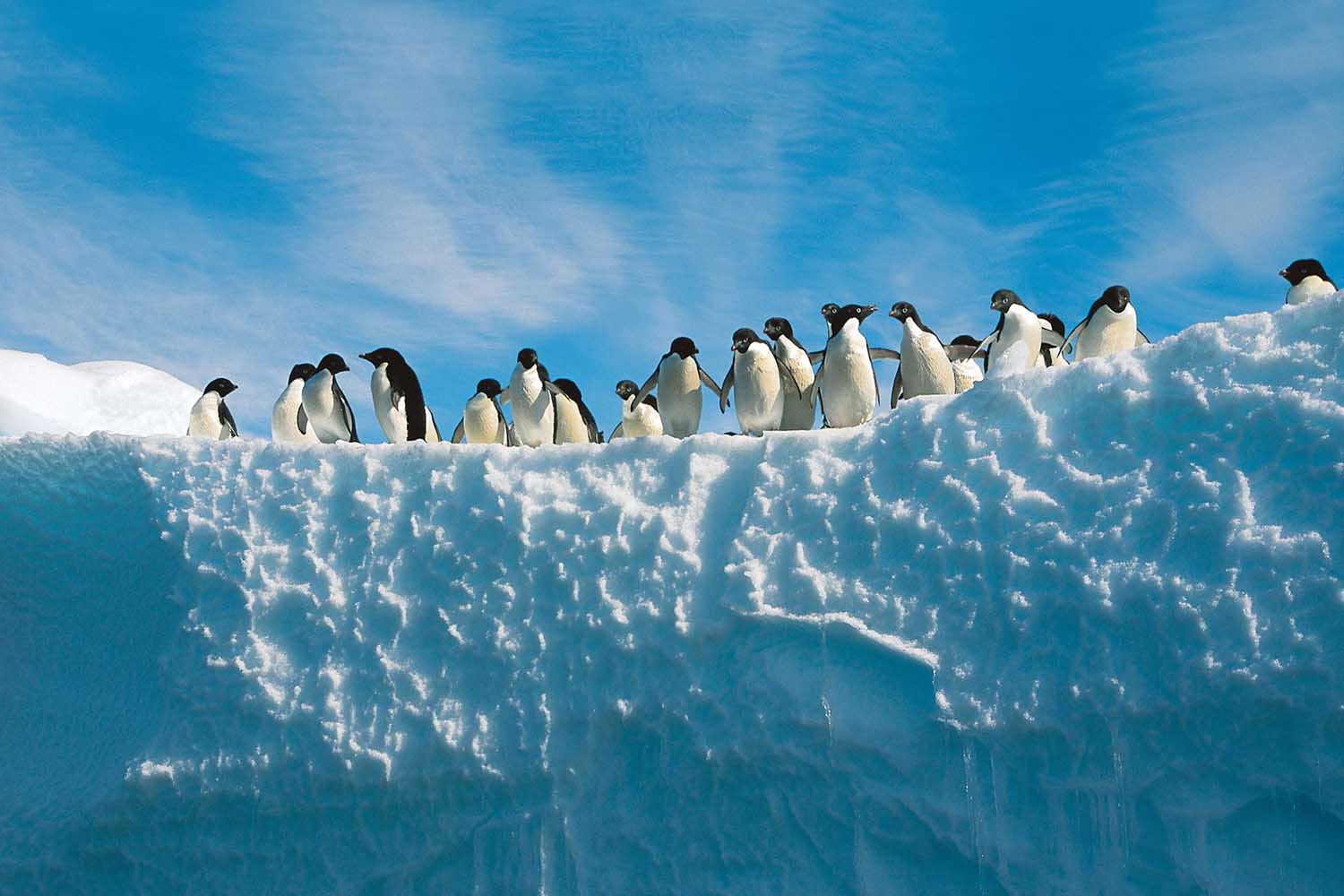
Following are some links to expedition cruises where you can see Adelie Penguins...
Expeditions Online Newsletter
Sign up to be an Expeditions Online insider and receive info on exclusive deals, discounts and more!